Wednesday, May 28, 2014

The evolution of Karate part one: shared and true history

The Evolution of Karate Part one: Shared and true history


Introduction

Around 2.7 MILLION years ago a small Hominid known as Australopithicus Garhi started to roam around east Africa. This was the first Hominid species known to have used tools to cut food and probably the very first Martial arts experts. Martial arts basically means military art, or self-protection art form. Use of a stick to pound someone or something over the head should be seen as a martial skill, and practice of this skill is a martial art!

Bit of a reach back for a set of articles purported to talk about the development and growth of Karate as a skill set, but lets be honest, we have a long way back to go to look at the true history of Karate or martial arts in general and lots of cobwebs and cow crap to push through to get there. We also have a few things to consider about the generation of true Karate, like A) what is True Karate and B) when did it start being Karate.

My definition of Karate is going to be really general, broad and accepting of anything that was created from the time of Okinawan influence on. I will generalize and consider anything before Okinawa as Chinese martial arts and use appropriate terms to keep this less confusing than some have, I personally don’t care if you think that a particular style of martial art in China is “More Karate like” than its fellow arts in China, my definition is not going to be based on what they wear, what the style looks like ext, just the context of where that art is seeded.

Karate evolved from fighting arts that were needed at the time. Man was at war not just in mass, but on a daily basis with himself. We fought hungry animals, we fought each other for sport, to get more land, for more women, food you name it we settled our disagreements with spears, stones, fist and just about everything else.

My five part paper is going to explore the different transmissions of fighting and how it went from a human requirement for survival to a sport done in an arena. I hope the process serves to clear up some marketing myths and give us a really good idea of how we practice and art that has evolved and been influence by different people and cultures and by groups that had other ideas beyond just scraping by and living to earning power and prestige by training in martial arts.

Most of all I hope that this give you a clear picture of where we came from..and possibly the direction we are going now.
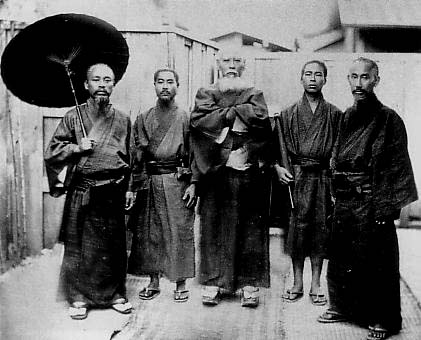


Why I put this together

After years of watching seniors rape history to market the martial arts and other groups out right lie I’m kind of sick of seeing it. I mean how many times can you hear that the noble Okinawan kinds stripped farmers of weapons, which they never had, with a law to protect the samurai….which they never really had. We end up mixing cultures and fixating on drama that did not exist to sell some Dojo “tickets” to the show. The truth is far more interesting and way more revealing as to why we do what we do today.

The reason its spread out over five different papers is simple, I did not want to brush past things and not go over them the way that others do. I wanted a slightly more comprehensive paper that explained history a bit better and showed how our style developed differently than most Okinawan styles and show the merging and synergy that came from Okinawan Karate meeting Japanese martial arts and culture. We are a really unique style of Karate and most seniors don’t understand the differences, how they came about or some of the basic truths that we brush past.

My hope is that this clears up some of the mystery that needs clearing up about Karate and gives us some perspective no why Shotokan looks different than Shorin ryu styles or other styles. When I was coming up in Karate and pointed out that the Pinan Katas of shorin ryu looked so different than ours I was told things like “yah, they are ugly” or “yah, they got it wrong” and never was I told why they were different, now that I know I want to share this with others. My students all know and probably have a better base in Karate history than most 5th and 6th Dans in Karate.

One thing we need to realize as Karate students is that we are STUDENTS no matter how old you get or how high in rank you get. The beauty of this is that you keep growing and you keep learning and the history of a style or art is just as important as the practice. Why do we do Kata the way we do…don’t just say because…there is a smarter answer.

If your sensei were to look at you and say “Do it that way because I told you to” I would find a new one. Time to learn the true history and pass it on to your juniors and students and then you don’t end up giving wrong information and giving out silly answers.

I remember asking why we wear Gi’s one time and the senior I asked said it was what the Samurai trained in. He also said that the art was made up by peasants that needed to defend themselves against the Samurai and that the Tobi Yoko geri was to knock Samurai off of their horses. Okay, three issues here…First off Karate was created in Okinawa and not Japan, not many horses in Okinawa! Also, the Gi was created IN JAPAN by a Judo instructor…not the peasants or Samurai they spoke of and to boot…Karate was created by Okinawan UPPER CLASS called the Shizoku or Peichin class, not peasants that were far to busy being abused and actually working for a living.

I got sick of lies that became truth through retelling. I am going to challenge a lot of things that people have read with real facts or by pointing out facts that would suggest the “story” is a complete lie! Hold on because the real reason that I am putting this together…my seniors lied to me a lot! They lied through omission and they lied by passing on crap marketing that was meant to paint a pretty picture of the “Ancient” martial arts being something it wasn’t. So, I am going to throw some truth around and see what we can get done.


The truth is out their

So, why the lies? The truth is now much easier to find than it would have been in the early 80’s when I started training in Karate. We were left with asking questions of the masters, or buying expensive books. I opted for books but even they had a lot of rehashed BS that was set up to sell Karate for something that it was not.

The truth is out their more and more however, the seniors passing on Garbage history and expecting students to eat it up are going to be in for a rude awakening. First off more students are internet savey and have access to information on their phones now. Before it was just looking through books and praying that you got a good one or asking seniors that may have to make things up to not look stupid (which never really works) or ask masters that are taught to sell their martial art.

Now this is not just in our style of Karate (Shotokan) this is in all styles of martial arts, the selling becomes a primary focus and getting bigger and selling more Gi’s and getting buts on the floor is a priority, telling a few lies to get this to happen is seen as a necessary evil.

Look around and research and you will see a lot of discrepancies in what you were taught by often good intentioned seniors, your Sempai was probably lied to as well, its up to you to figure it out and I hope that my series will be a bit of a help in this regard.
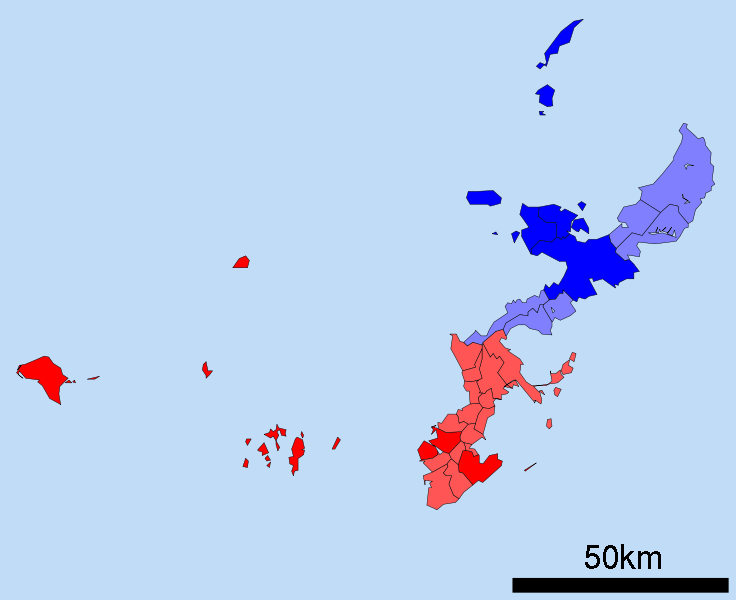


History vs marketing

First off the truth is often much more interesting than the BS that is made up to sell the style, so why make up the lies to begin with? Well, I am going to say a large number of them were used to market the systems and get around the truth that might have actually slowed progress.

For example, the truth is that Karate was taught to upper level society that worked in the royal court. Most of those taught this style were expected to use it to kill those that may attack the King of Okinawa and to defend their family and wealth if the peasants rose up and attacked. Marketing then kicks in and says “hey, violence does not sell well to most people and adding that the rich used it to defend their wealth from commoners…like those you are trying to sell the style to now…not going to fly”. So, lets make this a self-defense art that the lower class created to defend against…uh, samurai…yah that’s it samurai!

The truth is that none of the founding masters of Karate were poor farmers, some were upper level Shizoku, others were wealthy merchants, none were actually “hands in the dirt” farmers or fishermen. So, Karate kid lied to me!

Also, the use of Karate is kind of a stretch against Samurai…but a few things need to be known before we throw the baby out with the bath water. First off Karate used to consist of empty hand AND weapons training. Weapons from China that were often small and easily concealed by the palace guard and the empty hand fighting taught if you were unarmed. Secondly the Samurai sword was not often drawn, easily broken and only good for cutting, not blocking weapons. Studies have also shown that far more people dies by the samurai’s Naginata and bow than by the sword.

So what you end up with is a Samurai attacking with a staff that has a blade on the end and the Okinawan or Ryukyuan guard defending with Sai, Tonfa and Kun (bo staff). This is what is more realistic…they fight for a bit and the samurai is unarmed, the Ryukyu Shizoku loses his weapons and the Japanese man turns to Jujutsu to defend himself while the Okinawan turns to Tode or Te (early Karate). Now that’s more like the real thing. If it were a peasant vs a Samurai…well that’s a trained Military man vs a hard working laborer that does not have time to learn to fight…you figure it out.

But again, its much easier to sell Karate as the defender of the weak to modern Japanese Post Meijin restoration society that looks on Samurai as oppressive…not so much now but back then yes. The new romance we see in being of Samurai lineage was not a selling point when the oppressive society first changed. Again, another truth, the Samurai…seen as bullies and a blight on society at the point. They were the military in a military dictatorship! So, it was very popular to paint them as bad guys before world war II and actually those that claimed Samurai lineage at that time probably had a hard time and were rather oppressed.

Okay, so we get that the marketing was used to draw in students, but other things need to be considered as well. We all know that “Karate” means “empty hand, but did you know it originally meant “Chinese Hand”…Yup, the early instructors brining Karate to Japan realized that was a hard sell to Japanese people who had just come out of cultural and real wars with China. The Chinese culture was not very welcome in Japan pre-WWII nor was Korea people for that matter. Often the Chinese and Koreans that emigrated to Japan changed their names and lied about birth places ext.

Also, the Okinawan people were kind of looked down on as well in Japan, lets face it the Japanese people were fed a stead and healthy stream of nationalism that did not include the same “melting pot” mentality we have in the west. Okay, it would be like suggesting someone in England eat French food….prior to WWII or even after that would have gotten you a “England is better”. Heck my grand father hated the French on principle…and he lived in Canada! Same thing with the Japanese and just about every other Asian country, they saw them as great places to visit…and conquer them but not accept anything of value form the other culture.

Rather ironic for a society that has so many Chinese things already, but it is what it is. Funakoshi Sensei tried to realize this and twist a few things. The names for Kata had already been changed to Hagoan , the Okinawan dialect, from Chinese….why not change them to more Japanese terms as well? Well, some changed and some didn’t. stick.

The point is that some changes are made out of necessity and they become “history” after a while but really, they are marketing. Marketing to make the substantial good and bulk of the style accepted. But at this point I think its much better to dig past the BS and reveal the real history of Karate. No more marketing just pushing truth and history.


Bias, Bigotry and the roots of our style

Japan is a unique culture. It is a solid mix of western influence and deep ancient traditions. They seem to exist between modern and ancient world and their society is filled with hidden meanings and an unspoken connection with the old ways and a language that is suggestive and also direct at the same time. People can say one thing and mean a completely different thing based on subtle movement and inferences that one needs to be sensitive to.

One of the less than appealing cultural components was that of being a tad biased towards their own culture and less than enthusiastic about other cultures. The culture was force-fed a lot of nationalism pre WWII and really convinced that their culture was better than others. Or, to be more accurate they were told if it aint Japanese…it aint good enough. Now, to be fair, they were basically fed the same nationalistic BS that the US force fed their own people in the 30’s and 40’s but because the US is a bit more of a melting pot…and lets face it they won the war…. it does not affect them the same…or does it? And seeing as they were part of the coalition that won the war…and they were the richest nation at one point…well they get away with it.

Well that’s for another debate. The fact is that many Japanese at the time that Okinawan masters were bringing over Karate to the “mainland” were bigoted against anything “not from Nippon (Japan)”. And to make matters worse…well Karate actually originated by mixing Te, the local Okinawan art, with Quanfa from CHINA….China, the evil empire that dared to stand up against Japan! Well, it made for a hard sell.

The Japanese military machine tried to Crush the backwards Chinese peasant class/communist bound country in the Sino-Japanese war…and well they failed…badly! The results were that the Japanese ended up failing to expand into China, well for any amount of time, and the Chinese managed to recover all the territories that were lost to Japan in the embarrassing treaty of Shimonoseki., which was horrible for China and once the war was over…they basically threw the book at Japan and burned the Shimonoseki treaty as they marched back across pretty much ALL the land they had lost to Japan.

So, you have a bunch of Japanese that were seeking to expand into China at the time, had a poor view of them and then you try and sell them that Chinese fighting is something they should study…yah, not going to fly. The Okinawan masters had to act quick…..they realized that they were selling a Honda in Ford country and they needed a plan.

Anything Chinese was seen as backward and lower than the powerful and forward thinking Japanese! So, the Okinawans, seen as the country bumpkins of the Japanese family, Changed a few names, fixed up some weird looking (reach Chinese looking) moves and sold the art as purely Okinawan…..heck they changed the name. They took the ideals of Kenjutsu and applied them to the movements of Quanfa and came up with KARATE! Wrapped up Chinese fighting in a Japanese box and sold it to the masses in Nippon!

When the newly minted “Empty hand” got to Japan it had been scrubbed clean of a lot of the Chinese influences, the name was changed and the art was mixed and filtered through current Japanese martial arts lingo and bada bing, you got a Okinawan-come-Japanese style of fighting that was much easier to sell to the masses in Japan. They did such a great job of it that Japanese people began creating purely Japanese versions of this “Okinawan” art and saying it was Japanese to their students, convincing them that they took the backwards version of the style and updated it…but the Kata they taught were all Chinese in origin.

The new product was sold to the masses by Okinawans that spoke Japanese, changed their names to be more Japanese and those that did not speak Japanese were sent home. Point in case, Motobu Choki was a very popular Okinawan Karate fighter that proved his style in many fights, he trained under great masters…how he did this is for another story…but he was the guy that put down boxers from the west, he blasted Okinawan masters for being Dancers and taught “real Karate”. But because he spoke little to no Japanese he was sent packing.

The Japanese saw Okinawan masters dressed like Japanese and embracing Japanese culture and they did not even realize what was going on. They bought in and Karate soon became more popular than Kendo in schools and for business men. The bigotry that the Okinawan masters saw as a hindrance was reduced and or removed and they saw great success. It was not until the last 30-50 years that the Japanese started to embrace foreign cultures, and mostly in small components and from the USA mostly, but they are much more accepting of this cultural exchange now and even pure Kung fu schools are opening more and more in Japan.

Lets just say that at the time, they were not as open minded as they are today, and from what I understand Japan is a completely different culture and place than it was pre WWII and has really embraced non-Japanese cultures and people now.


Realizing Culture had a lot to do with it

Before I move onto the evolution of Karate from Chinese art to Japanese powerhouse…I really want to ensure that those that are reading this know that culture and ideals or dogma had a lot to do with the changes from one phase to the next and it was the cultures that existed at the time, not those that exist now that influenced these changes.


First you have to briefly understand China and hits roll and interactions with both Japan and Okinawa. China is a Multicultural society made up of many areas that all fall under the greater nation. Called zhonghua Renmin Gongheguo or the peoples republic now, the history of China shows invasions from outside, cultural and dynastical revolutions that saw great dynasties set up, establish and then fall over and over again. They were ruled by the Xia, Shang, Zhou, Qin, Han, xin, Wei/Shu/Wu, Jin, Sui, Tankg, Yuan, Ming and Quing dynasties at one point or another and have made so many cultural changes that its hard to really figure out what is “traditional” Chinese culture.

However, in the 15th Century they began a relationship with the Ryukyu islands that created a tributary relationship with the Chinese Empire. With cultural exchange happening with the Ming dynasty or the “great Ming” dynasty the Okinawans were interacting with a group post Mongol ruled Yuan dynasty. The Ming were ruled by the ethnic Han Chinese from Beijing. The Han were an ethnic group that had just come out of great oppression and were used to setting up secret societies, working to over throw governments and were part of a culture that developed a great deal of martial arts styles.

The Han Dynasty sent tributary missions internationally along with diplomatic missions and had found exchanged a lot of cultural important customs with the Okinawans, as well as influencing their dress. The flowing robes of the Chinese were adopted by the Okinawans as well as raised sandals, different foods and other customs.

While the Han people were quick to defend their ethnic people they were also quick to share. They saw Okinawa or Ryukyu people as extensions of Asian culture and tried to progressively create a “Ming” style court within the royal Ryukyu courts and also teach the locals how to be “Ming Chinese”.


This tributary state was or Vassal state existed between 14-29 and 1872….but you will also note that a practically vassal state existed with the Shimazu clan of Japan at the same-ish time…being between 1609-1872. So, how do you serve two masters? Well you need to examine the Okinawans at this point to see that. They were a small island nation that had just formed after merging the three existing states. The state that we know as Okinawan was established and in the native language was called the Lewchew or Luchu nation. The three nations were the Hokusan, Chusan and Nanzan nations. The capital was in Shuri and the people were made up of native Lewchewan people who were indigenous to the island nation and adopted many customs and cultural idioms from China, Thailand and Japan. A maliable culture they were very open to change as a whole.

This flexibility in culture made it very easy for the group to be flexible and after the Chinese “Expressed” their want for the Ryukyu kingdom to become a tributary state and manage all of the Pacific Oceanic dealings for China they began taking on many Chinese customs. The King sent a group of emissaries, often called the Fujian 36 Families to the island to actually run the operations for the Ming Dynasty.

The family’s or officials were actually kept away from shuri in a official colony called the Kumemura village or Kume village. The new outpost served two very important and culturally significant purposes. One it gave the Chinese a base of operations and allowed the Okinawans to control their movements to some degree, and two…it served as a place to hide them from the Satsuma clan after the clan felt it was in their best interest to invade.

Early on the Okinawans had a art called Tegumi or Muto, which was a version of wrestling and grappling that they taught and used as a form of Folk wrestling. The Chinese at the Kumemura village introduces a style of Quanfa called Bai He Quan or Fujian White Crane. The mix of the two cultures and the two arts resulted in a style called Te, which was to be then refined into ToTe or Tode, the precursor of modern Karate.

But now we have some Japanese strict dudes showing up and knocking at the door suggesting they should be running the whole island nation. In the early 17th Century the Satsuma Clan of Kyushu invaded the Ryukyu islands under the leadership of Shimazu tadatsune. The clan was one of the most powerful and rich of all the clans and held a lot of power and influence in Japan. They were part of the Tokugawa Shogunate and were allowed the invasion and profits because the shogun wanted to avoid an uprising and loss of Sekigahara. The nature of the invasion is kind of different than what we would expect however. The Japanese arrived on a series of boats, killed little but met with the king and basically said “you are ours now” and that was it.

To avoid blood shed the Okinawans served two masters at the same time, on their own island. They adopted many of the Japanese customs and clothing ext and mixed it with the Chinese customs they had adopted a generation before. Each of the three cultures were comingling in the Okinawan petree dish and creating a new Okinawan culture.


How did the intermingling create Karate

How did this create a system of fighting that we now know as Karate. Well its actually simple and should be logical after reading up to this point. The Chinese Ming Dynasty shared White Crane boxing with the Okinawan or Lewchew people. White crane was a mix of several styles of Quanfa that were popular in the Fujian area of China…they taught it and mixed it with the local grappling art and then the locals were taken over by the Japanese…who had different ideas and martial traditions. In fact the Satsuma clan brought Jigen Ryu kenjutsu to the islands and many of the Tunchi or higher class would study the linear art and bring it back to their current studies.

Anko Azato (Azato Yasutsune) was one of the Okinawan tunchi that would both learned the Chinese style of chunfa and then the Japanese art of sword fighting and would incorporate and cross pollinate the systems to create a very linear style of fighting. Jigen Ryu was created by the Satusma Samurai and master swordsman Togo Chui in the 16th century and had very similar strategies to what we see in Karate now.

Jigen ryu, even though it was a sword art, emphasized ensuring that you had the first strike and also that it was very straight forwards and basic, not fancy. Even the Kiai Sounds much like modern Karate Kiai’s, which apparently were not used previous to the Jigen ryu influence.

Azato style fighting is more in line with the style of Funakoshi, as Azato was his primary instructor, and not those that trained more with Itosu Sensei. The style that Itosu Sensei taught was rounder, more evasive and did not have the straight line and direct feel of Azato’s style. By mixing Jigen Ryu with White crane and Tode you end up with a very effective, straight line defense program that will drive power and techniques into your opponent and end the fight quickly. The foot work was also different, not as fancy and free, more mechanical and efficient.

The mixing of ideals, and techniques all meld into what we know as Karate today, or at least Shotokan on our part. Other styles that trained mainly under Itosu and Higoanna sensei will look very much different. Naha style Karate like Goju and Uechi (to some extent) are more circular and you can see the Chinese influence in most of what they do, the fancy names for moves are gone but the movements are still circular and then jut in quickly.

Itosu style fighting was influenced less by the Japanese sword styles so you find that the styles that come from his teaching exclusively (shorin ryu styles) look more Chinese and also make use of things like the cat stance over the more popular Kokutsu dachi that Shotokan uses. All of these come down to the filters that the styles went through as they were evolving.


Filters

So I hope I have shown that the style we recognize as Shotokan Karate and even those other styles that have made it to Japan have been filtered through many filters and have several sources that make the whole thing unique.

Now to be fair the Chinese were just as nationalistic as the Japanese were and the Okinawans were like the little kid that everyone wanted to pick on. But they actually did something so smart and slick that it kept them from being crushed by either of the oppressive nations. They mixed and matched cultures and they adopted the things that they needed to, which influenced everything from their language and the food they ate tot the martial arts we do today.

They filtered their own culture throw a Chinese cultural colander and then did the same through the Japanese filter and they told the Japanese that the “Chinese parts” were traditionally theirs and the told the Chinese the opposite.

They mixed and merged and created a unique perspective all while retaining a lot of their own culture and views. They avoided aggressive behavior and made the best of the situation right up till the Japanese annexed them and then it was Japans problem in dealing with China.

The filters influence Karate a great deal and in the next few parts of my paper I am going to show the way that Karate started, the way it changed when it hit Okinawa and then how it changed again when it reached Japan. And finally I will show how Karate changed when it was sent out to the world. Most of the views are based on Shotokan but I will also drop little crumbs about Okinawan Karate and how they evolved as well.


Monday, May 12, 2014

Sen No sen, go no sen…..Kake no sen and Tai no sen?: a new twist on strategy in Jiyu Kumite

Most brown and black belts spar on instinct! They never really study the art of fighting as much as go out their and see what happens.  We have moved away from training in the art of fighting because it is not as PC as the type of “nice” training we do now. In the old days (And I hate using that term) we used to study set ups, we used to train to find openings and we used to…well bludgen the heck out of each other to work on Kumite…and sometimes much less successfully than others.
                Don’t get me wrong, this is not going to be a “we did it better back then” kind of post, no its going to be a “we can do much better than we did back then, and better than we do now” post.  Back in the day we were not pretty fighters, we were bruts that threw arms and legs at each other in a violent ballet of thrashing and hoping to hit a spot. Even the fastest and best fighters were a bit brutish and were not thinking when they trained. They had no idea about strategy. The best fighter I knew back then was a missile, he would find an opening and dash at it like a hungry panther seeing a steak!
                The problem is that most sport Karate is much like that, you get some infrequent fighters that study the strategies and follow them, but for the most part the fighters find that they have a Tokui waza and then look for the all-important Ippon and basically don’t have a clue how to get that technique in effectively or when to change tactics….if they know and understand the tactics at all.
                Two reasons I shy away from sport Karate, other than it tends to create butt-heads and not good people is that its not realistic and it silences the actual study and application of techniques that you can use for defense and deepening your understanding of strategy in combat. First off let me say that the comment about butt-heads is not 100% accurate, its more like it “tends” to bring out the worst in people and if you train specifically for sport…it makes your ability to realize that “ippon” is not the end all be all and you WONT be smacking someone in a game of tag on the street, or at least you wont live if that’s your strategy.
                Now, the study of strategy in Karate actually is something that was taken from Kenjutsu and Kendo. That’s right, all our strategy and deep study of kumite…comes from a Japanese school of fencing. Anko Azato was also a student/master of Jigen Ryu Kenjutsu and a lot of the self-defense style strategy, or Senryaku, comes from his training in this Samurai art.
Azato was Shizoku, or the Okinawan equivalent of a samurai and he studied the stratagy of battle deeply and imparted this to his longest standing student, Gichin Funakoshi, also a Shizoku class family member. Funakoshi brought his brand of Karate to Japan and taught Masatoshi Nakayama.  Nakayama was a son of a famous Kendo master and part of the lineage of a great school of Kendo that his father was a master of.  It stands to reason that the terminology and the use all come from this common denominator in the Karate masters line. They all used the terms that we have today, with some modification, and the theory stands today.
        This article is to show the students the different “strategy” that we actually should be studying, what it means and how to apply it. Most of the strategy for Kenjutsu comes from the Go Rin No sho, or book of Five rings by the famous Miyamoto Musashi which was written after Musashi retired from challenge matches as a active Samurai, around 1645.  The whole book is a great resource for learning the art of fighting, but in the book of fire (Each book representing an element) he goes into detail about the different strategies using the “no-sen” terminology, which we will get to. Being an aggressive system with little blocking, You would never block a sword with a sword for fear that the blade would break and then you would be defenseless, it was far more important to learn when to attack than how to block and counter…so it is somewhat limited in that respect but can and does still apply to Karate.
        The first of his strategies that he talked about was Kake-no-sen. Kake-no-sen is when you perceive your attacker is about to attack you and you beat him to the punch as it were. You basically see that your attacker is at the ideal distance to attack, they are in a position to make an attack and you feel their intent…and you bash them first. This is the same as Sen-no-sen in Karate. Now, I know what you are thinking….”but the Niju Kun says “ Karate Ni Senti nashi” or “there are not first attacks in Karate”. Well, yes, but if the mugger that wants your money flicks out a knife and steps close to you, close enough to strike…you best push his face in backwards. The term “Attack” used in the Niju kun basically means “don’t start a fight”, it does not say “Wait to be hit, then return fire”.
        The next strategy that is used is called Tai-no-sen. In Jeet Kun Do this is called the “Stop hit” techniques, which basically means that your opponent begins his attack and you block and counter before he lands the attack and before they have a chance to end it. So you basically block the punch, kick and counter at the same time. This does not give them a chance to reset and start another technique. You can also avoid the attack by moving out of the way, but complete your attack before they complete theirs. A perfect example of this would be Enoeda sensei pivoting out of the way of a mae geri and landing an Uraken before the Mae geri is completed. Tai-no-sen is virtually untaught in the organization we came from, it was basically Sen-no-sen and Go-no-sen only.
Go-no-sen is the last concept. It basically means that you allow your opponent to complete their attack and then deliver a counter. There are some important points that have to be made about Go-no-sen however that many fail to grasp. This is not a block and counter feel, We don’t let them finish, take a breath and then smack them. Far to often we train in Go-no-sen and the students end up completing a full technique, land, set and then they are countered, this is wrong! Go-no-sen would be the easiest of the strategy to do if this were true, but the truth is that we would be totally off base if that was our understanding.  Go-no-sen is the end of a chain in movement understanding.
The first is Sen-no-sen or Kake no Sen in which you attack before the actual movement starts, you have to be fast, accurate and ready. The second phase is they just started moving and they are almost half way through the movement and you catch it and counter at the same time. You have to be very fast and to be safe quick movement should be used to pivot out of harms way. And the final phase is when you complete your counter as the first attack is at its completion and before the attacker can restart a new one.
        You may choose to do some reading on your own, realize that we A) took these terms from Kendo and much like the Kake/Sen-no-sen variance there are others out their that use some very different terms to describe the same situations. Don’t be confused, its just one instructors take on a term over another. And B) you will see that some instructors teaching Karate don’t have a clue about these terms, were they came from or their purpose. Some say that Sen no sen means you attack first and Go no sen means you counter after you block. They don’t truly understand sword fighting (nor do I but apparently I have a small clue), and they don’t understand the strategy of fighting as well as they think they do.
        These are three concepts in Karate, they are not the end all be all of strategy. For that you need to first get the basics down, like how to attack and when…then you can look at other strategies and work on them.

Tuesday, April 22, 2014

The Dojo Kun; History and translations


hitotsu, jinkaku kansei ni tsutomeru koto

hitotsu, makoto no michi wo mamoru koto

hitotsu, doryoku no seishin wo yashinau koto

hitotsu, reigi wo omonzuru koto

hitotsu, kekki no yū wo imashimuru koto


You hear this “Chant” at the end of each class in my Dojo, flowed by the English version, but many people don’t know the history or that the translation they are saying may or may not be as accurate as we would think.

We take it for granted that Our instructors are teaching us the right translations, I mean after all we don’t speak Japanese (most of us anyway) so we take it for granted that we are saying the right things after we repeat the Japanese. Hell we take it for granted that our Japanese is not “Take my money and kick me in the fanny”. But here is the horrible truth for those of us that train in my club…we are not saying the right translation…we are saying the one we like the best however!!!


Lets start off with “what is the Dojo Kun” and move forwards from that point. The Dojo Kun is the set of moral and ethical principles and context in which we need to be practicing the Martial arts we are training in, and some of us fail this greatly on a daily basis…but I digress. The concepts are very basic and general in nature and force you to interpret what they mean whenever you really think about them. I mean “Be faithful”….to what, to whom, how? They make you think about your actions and how you present yourself and can be as dangerous and manipulated as they are positive and reaffirming of human goodness can be.

Okay, so it’s a set of principles set out to really define the ethical confines acceptable for training in Karate…who put them forwards? Well, history is a bit shaky on this one and I think most of us are guessing when we say “this is the answer” so I am going to say straight out…this is my guess and my reason for guessing this!

Most history books suggest that Funakoshi Gichin or Itosu Anko wrote out the Dojo Kun for his students to really drive home the idea of ethics in Karate. But the truth is that he probably just repeated an activity that his instructor had for him and his peers and that his instructor’s instructor did for his students to follow. And it’s not unique to Shotokan…by any stretch…but I am getting ahead of myself.

If history teaches us anything, it teaches us that its often written by those that make half of it up and warp it to their own needs for the other half. The only way to get a clear view of what actually happened would be to take multiple sources that have no bias and work forwards…and in a subject as limited in interest as Karate…we often only have a few very biased sources to work from…and some of my newest research has really opened my eyes to this.

The truth is that the Dojo Kun was probably created by the great Sensei Sakukawa and not Funakoshi at all, Sensei Funakoshi simply was repeating a trend or action that his instructors instructor did to help his student remember that Karate should only be practiced in a specific way, with specific intent. Sakugawa Kanga (spelt different, but same dude), was a Karate instructor in Okinawa in the late 1700’s and early 1800’s who taught Matsumura Sokon and worked for the Okinawan government. He was also a student of Kang shi Wa and Takahara Pechin and very well educated in Chinese philosophy and the Chinese classics, unusual for a person in Okinawa at that time.

Sakugawa set out a list of ethical confines that his students MUST follow for him to be a true warrior and man of “Bushido” (I use the “” because I am not sure that Okinawan people would have used this very Japanese term, but the intent is what I am getting at). Sakugawa apparently wrote out a set of ideals that we should strive for as Martial arts practitioners, which are now lost to history…anyone saying different is drinking some strange cool aide or selling it. However it is suggested that the Bushido code is a form of Dojo kun and that Sakugawa had interactions with Samurai at the time that taught him this.

Some say that the Bushido tenants (Gi, Yu, Jin, Rei, Makoto, Meiyo and Chugi) were originally or later translated into a form of Dojo Kun. The tenants translate as Rectitude, Courage, Benevolence, respect, honesty, honor and loyalty. The Bushido code is simply put written so those that don’t know how to read can memorize the important parts. But it could serve as a basis for Sakugawa to build a dojo kun off of.


Okay, So Sakugawa wrote a Dojo Kun and then he passed it onto Matsumura who in turn taught it to his students…now one suggestion that I followed for the longest time is that Itosu passed the Dojo kun down to Funakoshi…hell I taught it to my students as such, but I am now rethinking this point and want to clarify a bit. ITOSU was not a student of Matsumura for a long period of time. Apparently Matsumura did not like Itosu and felt he was all about power and not speed…so he was not nice to Itosu and Itosu eventually left to train under Nagahama Chikudun of Naha (according to Choki Motobu) and when Nagahama passed away he left and trained with Gusukuma of Tomori (according to Funakoshi Gichin). Neither of the masters that Itosu trained under were known to use the dojo kun however.

It is more likely that Funakoshi Sensei was passing on the traditional use of Kun from his first instructor Azato Anko and a student of Matsumura and good friend to Itosu Sensei, I am putting together a bit of a history of Itosu for my next blog to cover the weird things I learned while reviewing non-shotokan history tid bits to explain my change in views.


Regardless of history the translation we use for the dojo kun is as follows;

• Strive for completion of character (or Seek perfection of character)

• Be Faithful

• Endeavor (to excel)*

• Respect others

• Refrain from violent behavior


This is the common translation used by the ISKF, JKA and many of the JKA derivative clubs around the world, the * Denotes an add on that Dingman Sensei put into the Dojo kun to make it more relevant and understandable for us. This translation is not much like the bushido code, but its close. It still encompasses the same feelings that should be sought when training and the “true of heart and action” that Funakoshi’s predecessors had in mind when creating the martial ways code of ethics.

Our translation is not the only one out their however, a much more long winded and more “English friendly version does exist, I have never seen it used however but its goes like this;

• Each person must strive for the completion and perfection of one's character

• Each person must be faithful and protect the way of truth

• Each person must endeavor (fostering the spirit of effort)

• Each person must respect others and the rules of etiquette

• Each person must refrain from violent behavior (guard against impetuous courage)


As you can see its much more “wordy” and while it strives to create a more direct and understandable link what the intent is, it loses the magic of the JKA version of the Kun. The magic of the Dojo kun is that its not a “paint by numbers” version of the Dojo kun, it makes you think and interpret, rethink and reevaluate the whole thing when you say it. If you don’t want to think to much about it you don’t, but introspective students will use this as a way of searching for answers in their training and really benefit from asking questions and looking for answers. The more “THIS IS WHAT WE MEAN…DON’T THINK ABOUT IT” Kind of Kun that we use…the less quality it presents in my opinion.


Now I did say that other styles us a version of a Dojo Kun right. Well, styles like Goju and Ryu-Te both use similar Kun to drive home ethical standards that a true martial artist follows and they are similar to both the Bushido code and the Dojo Kun.

Goju Ryu

• One thing: Be humble and polite.

• One thing: Train considering your physical strength.

• One thing: Practice earnestly with creativity.

• One thing: Be calm and swift.

• One thing: Take care of your health.

• One thing: Live a plain life.

• One thing: Do not be too proud or modest.

• One thing: Continue your training with patience.

Ryu-te

• Strive for good moral character.

• Keep an honest and sincere way.

• Cultivate perseverance through a will for striving.

• Develop a respectful attitude.

• Restrain physical ability through spiritual attainment.


Both would of course look and sound different in Japanese, but the translations show that the typical Kun outline is being followed in creating these Ethical guidelines for martial practice. But here is were the train goes off the tracks…how many people realize that Funakoshi and his masters all LIVED these rules and would not train those that did not follow the rules or ethical standards…well they would if pushed but they would often toss students out that were not following the right ethical path.

Choki Motobu was known as a bit of a bruit. He would go to the red light districts in Okinawa and test his skills against Gangsters, thugs and drunks and often beat them up very badly. He was the son of Lord Motobu Choshin and a decedent of royalty. Choki was the last of three sons and as such not entitled to an education in the family martial arts style. However he had a vast interest in training in Karate (then known mostly as Tode or Te) and began training on his own. He went to Matsumura sokon and even Anko Itosu and pushed his weight around (being a powerful family has its benefits) and also bribed instructors or black mailed them. Itosu is known to have taught Motobu but did not like him and Matsumura disliked him even more but was forced to teach him as a member of the royal family.

The point is that we need to, as instructors and students, relearn the Dojo kun and start figuring out the intent and how we can all learn from it. Should we be taking in ALL students and teaching them all the same or should we be focusing on teaching only select students. Is it our jobs to evaluate students ethically or should we be turning out students and building a business?


For me, I am going back to restudy the Kun and try to make sure I am adhering to the ethical limitations that the Kun puts on instructors and students and from now on I am going to use a more trained eye when teaching students and watch whom I associate with and whom I train or train with. I think what is lost when you don’t study the dojo Kun is greater than most understand!


Monday, April 14, 2014

Hyoteki!!!!!!

When you are in class you have lots to keep in mind when doing Karate. You have stances, hip use, keep your shoulders down, keep your eyes forward, rotate your wrist at the last second, draw back hand, bend the front knee (Front stance), use the back leg to push, keep your head straight…don’t turn with your shoulders, warm up right, keep moving, kiai….all the moves in your kata, don’t get hit, block right and not to hard, counter right away….the list goes on and on! And Im going to add one more….Hyoteki!


You need to have good and proper Hyoteki in all of your training, Kata, Kumite and Kihon. Its is an element that brings it all together! In imparts realism, usability, real world application, proper form, and without it you are just a flailing mass of human spaz out! Like the MANY videos on line of people “Doing Kratty” if you don’t have Hyoteki then you are not doing Karate! You can build the strongest front kicks, the most powerful and fastest Reverse punch…but without Hyoteki you are just wasting your time, my time and any one that trains with you…their time!

So, what is Hyoteki? TARGETING! Like a Missile launched to save the world, if your Tsuki is off course and lands poorly you won’t save anything and chances are you may tick off your partners…..or worse your attackers! Hyoteki is the difference between a powerful/fast but flailing technique and a perfectly executed technique. Its also the difference between getting into a slug fest and applying Ikken Hitatsu or “one punch, end of fight”(Made that sound nicer).


When I teach Karate I mention target in an amongst the other things that I teach (Distance, speed, angles, proper form….) But I don’t give it much of a second thought when teaching, I brush over it and I may say “don’t miss the target” but I really don’t explain that and I don’t really push the whole Target thing beyond what you hear me saying in class. However, Hyoteki has saved my butt in real world situations and also its something that I studied a great deal while in University…..yes, they kind of teach that in university…its called Anatomy labs!

All of your training should be done with Hyoteki in mind. When you do Kihon waza, be it line work or drills you should be kicking for a specific target and punching for a specific target, that spinning back fist best land on your imaginary opponent in the right spot or you are hardwiring in a bad target! Your Kata should not look like you are engaged in a fight with a giant or a dwarf! You need proper targeting during un-partnered training to hard wire in proper form and targeting. When you do Kumite you must…..Must…..Must show proper target or you are now reinforcing the lack of target under pressure which means you will miss if you ever need to use the techniques in stressful situations…like a defensive situation.

During Kihon and Kata we say you are working with an imaginary opponent that is your same height, weight and build. You are training with a mirror image of yourself. So, when you get up to test and you punch a inch above your own head…is this wishful thinking or bad Hyoteki? You need to work with a mirror at home to make sure that the target you THINK You are aiming at is actually the target you need to be aiming at! There is nothing worse than watching the last two moves in Jion or Tekki Shodan and thinking “Do they realize they are shorter than this?” Work on targeting in Kata and Kihon and your Kumite will improve drastically.

Kumite Hyoteki is way more obvious at the junior levels. Three step sparring and one step sparring puts Hyoteki under a microscope. If you miss target during one step or three step (or the dreaded 25 step sparring) your techniques will show a miss in movements. The focus of a perfect technique, off target, is like looking at a copy of the Mona Lisa…with a.. mustache drawn on it…perfect to a point then horribly wrong. You can hide bad form a bit and horrible targeting in free style to some extent but you need to be on target and practice being on target for effective self-defense….which after all is one of the points of training!

As we begin in Karate we start with a general area for targeting (Jodan/Chudan/Gedan) but technically as we get higher in rank we should be narrowing that scope. Most practitioners are only taught the three target AREAS and we don’t narrow the scope, but we should be. Good Hyoteki comes only when you also learn Seigyo….Control of form and or techniques. If you have great targeting but bad control then you will hurt people, and I think that is what most people are scared of. You have to develop both Hyoteki and Seigyo together.

Hyoteki and Seigyo are pretty much essential for good Karate, but they are kind of mutually exclusive in some peoples minds. Some people develop great control and don’t need it because they punch off target all the time, and some people have great target but horrible control. You need both to build solid Karate, but this Blog Article is about Hyoteki not Seigyo.

So, as a junior we teach the three “Areas” for targeting, a “Rectangular set of areas that encompasses the Face, Chest and Lower stomach/Groin area that we call Jodan/Chudan/Gedan. These very general areas are meant to make Hyoteki easy for juniors…kind of like “get it in this general area and you are going to get a check for correct”.

But this generalization is important up to about Green belt to teach that there is a general area. Three simple “spots” to aim at when doing drills, sparring and doing Kata…but we also want to have perfection in targeting to some extent during testing, if you hit the “lower Chudan area” and we want “upper or middle Chudan” some instructors will get mad and fail you.

The Junior Hyoteki areas MUST be very general in teaching and in training to help build the ability to throw a good technically correct Waza and build on self-confidence as well as form and functionality. We teach students to punch UP, middle or Down…but they have so much more to learn that this is as specific as we can or should get.


Around Green or purple belt we normally start intimating that there are different targets and we narrow the scope to the tip of the chin for Jodan, Solar plexus for chudan and the groin for Gedan. The more specific targeting tightens up the points that we accept as targets and we like to see them in Kata, Kumite and Kihon. While we normally start with Solar Plexus at white belt we expect greater accuracy in Kata and Kihon at this level with all Waza.

The general area is narrowed to within a few inches to show an increased control factor as well as to assist in a real life situation. The intermediate student still will have to rely a lot on power and speed and hit the target “Area” very hard to effect proper self-defense, but you will note that the use based on better Hyoteki and an understanding of technique over just flailing and trying to get with in a two foot area. As instructors we have to teach intermediate students the form and functionality of techniques first, then we can look at hitting the “area” properly.

At Sankyu you are seen as an advanced student, not an advanced practitioner....but an advanced student. The 3rd Kyu students almost always slide back to Jodan/Chudan/Gedan because they are ramping up and getting more power, speed and explosiveness, suddenly throwing a brick at a target area is much more important than being a sniper hitting a specific target with pin point accuracy…and this is as it should be. True Brown belts are bruts and work on muscling techniques out. They are not fun to spar with because they are a tad wild and focus on explosive action over finesse!

“Bakuhatsu-Ryoku”! Explosive power does not give a lot of time to finesse and target or Seido Hyoteki! A brown belt is a slide back in this area but the power and explosiveness comes up a notch.


Now at Shodan the Jodan/Chudan/Gedan makes way for a re-commitment to the targets of Ago/ Suigetsu and Kinteki (Chin, solar plexus and groin). The targeting begins to be more and more accurate and focus is given to these three targets pretty much exclusively….to a fault. Most people in Karate end their Hyoteki training here. The advancement from practitioner to intermediate and advanced practitioner depends not on sport ability (which is a false path in Karate) but on studying deeper into Hyoteki and finding a next level of targeting!

Intermediate practitioners, Nidan students should begin to study Kata for Hyoteki to assess the different Atemi points on the body. This is the start of moving up the path to advanced students. You should focus on different areas, different weapons to hit that point with and find a way to harden your hands and go back to all the Kata and learn variations on the striking components of the Kata, only then will you make that leap to the advanced practitioner with multiple targets to select from, points that will cause pain, some that will cause unconsciousness and others that lead into even more devastating results and by now you will have the maturity to realize when to use them and when not to.


When you spar it is expected that your accuracy will step back a level. Those at black belt levels that can pin point specific Atemi points will suddenly be relegated to bigger area targets. Those that can nail a Chin/Solar plexus/ Groin area shots in One step or in drills are now working with Jodan/Chudan and Gedan targets. And those that are relegated to the broad general areas tend to now be flailing at big wide areas of the body. The key to training is to tighten this up again so that you have the one punch ability to end a fight.

You can flail and hit someone 5 times in a fight or nail them on the button once and end the fight. You can work hard or you can work smart. The point of Karate is to end a fight as quickly and as safely as possible, but also to give yourself options in a fight or a situation, Training Hyoteki in your sparring will make this possible.


With so much to worry about we tend to shove this to the back of our heads and not focus on targeting, but it will bring relevance to your karate and help you build on past training success to move to the next level.


Wednesday, March 19, 2014

My Standards for Testing….an essay on how I grade or view grading By Sensei James James

My Standards for Testing….an essay on how I grade or view grading By Sensei James James


“Keepers of Karate’s Highest Tradition” that’s our Motto and a phrase that I take very seriously! I started My Karate journey when I was six years old, I walked into Mid west Karate with my brother and started Lessons after watching and adult class on a Saturday morning. The Adult class was filled with HUGE adults (I was a small kid) and I saw them slashing around the floor doing Kata and Kumite and while I had no idea what I was watching I was transfixed from the get go….my brother, a much bigger kid and seven years older than me…not so much. But I was hooked and signed up and bought a gi with money I had made doing papers with my brother…back when kids could do papers at six I guess.

The first kids class I attended was a HUGE LET DOWN. Gone were the violent flowing movements and now I was faced with “Kids games” and fun Karate…..not what I wanted, but I could see the value of learning to kick a ball using Mae Geri (granted back then I had no idea what a Mae Geri was) and doing wall sits to build up my leg strength. Im going to draw on an old cliché that tends to come up a lot in martial arts, I was a sickly kid. I had suffered from Mono the year before and almost died having lost a third of my body weight, which for a little kid was like ten pounds, but significant at the time and also had my first run in with a lung infection that would almost kill me again in high school.

Classes were tough because I had not energy and kind of looked like a vampire, but within a few months of training I was healthy again and because of frequent visits to the lake house of a friend of my fathers with my family I had my tan back. I trained with Sensei Mar for about a year when I started not liking the kids class and some other issues with the instructors lead for me to leave the Dojo. But I did test to Orange belt in that club.

I was almost ten when the bug caught me again and I started with Dingman Sensei at the JKA. It was the same rush of feelings the first time I walked up the three stories to the old JKA down town, they had moved to the location about a year before but the smell of hard work was hanging in the air! I began training in the kids class again after having watched another seniors class and getting hooked, but this club was much different. It was subtle in many ways. The feel was of a family, granted I was scared of Dingman Sensei the first time I met him because of this aura he gave off of intensity, like a violent person on the outside, but something inside him kind of made me feel like he was the best person in the room, like he cared…but damn if I was not scared of him.

The other difference was immediately made apparent to me when I began the kids class, even though it was a friendly family atmosphere the classes were all geared towards true skill development and each student was viewed as an individual not a cookie cut out of the next guy. Same thing when I trained with the Club “Team” and watched, we had guys that were great at Kata, but got ate up in Kumite, we had guys that were killers in Kumite, but really horrible or just passable in Kata. The club was made up of individuals that came together to train.

Over the years I have trained with Mar Sensei, Dingman Sensei, Proctor sensei and a host of senior level instructors at seminars and classes at Dingman Senseis club and the one thing that I found interesting after all of this is that Dingman Sensei’s students “get it” and most of the other ones do not. We are not all the same, we all have different skills and we have zero chance of all being the same as one and other, you can train with a person…side by side…for years and still not have the same skill set or look the same as your partners, and that’s what is good about Karate, we all bring something different to the table.


The JKA of Manitoba has a very open policy about our standards and practices, we practice JKA Karate and we try to maintain very high standards when it comes to our students and their progress…but what exactly does this mean. I mean it sounds like some cheesy PC BULL PUCKY line that a politician would throw out to the masses to “Get over” on them. The truth is that we maintain a high standard by asking students to push themselves to be their very best they can be and we don’t let them ease up on their potential.

Some other groups may spew political BS about high standards and hard testing but the truth is they don’t know what Karate is all about in the end anyways so they can SAY whatever they want, they simply don’t know what the hell they are talking about and hide behind words that mean little to nothing else. And yes, some of them are fantastic practitioners, but horrible coaches because they don’t think about their students as individuals. They also don’t get that we are all individuals and some cannot do the things that others can, but they have other strengths. It upsets me to no end when I hear about testing that looks at a person not as an individual but cuts them down and takes their spirit, the world is full of instances like this and we cannot stand for this as Karate instructors.


Nice words aside our standards boil down to the three most important things in Martial arts, The mind, spirit and Body…in that order by the way. The mind must be grown, we experience new things and it grows. As instructors we have to reach out to students in class and have them experience something different and get ahold of that idea of Karate being about perfection of character and the individual growth that comes from hard work. Hard work is not just physical and does not just develop you physically, it grows your mind. We need to take them to places that they don’t think they can go and prove to them that they can, and we need to expand their horizons and get to know them as individuals so we can help them grow as people. That is training the mind.

The Spirit is similar in training, but the mind can be trained to grow without pushing the body and spirit, the spirit is directly linked to the body. Every once and a while we need to destroy the student physically and give them a physical test that pushes them beyond their ability. Be it with Kumite or drills that challenge the body and stamina and we need to push them to go beyond the discomfort and lack of energy and show true spirit, this is what the spirit circle at the end of some of my classes is about or the line Kumite up and down the floor, the idea is not to have great technical ability, the idea is to push beyond and grow your spirit.

Our clubs focus on the first two because the body is trained with Kata, Kumite and Kihon by default. We also do exercises to build the body and we concern ourselves with this mainly during testing. But the first parts are what is generally missed in testing and what people don’t see, we are actually testing you for your next rank right from day one of getting your current rank. For me the body is going to age and wither, but the spirit and mind will continue to grow only if you test them, and that is the most important. And I wont pass a student with questionable spirit or character ever! EVER! But I may give a B to a student that is trying so hard and has great spirit…but needs time physically in their next level.


Testing should be challenging and stressful a bit. But not so hard that you break students mentally and physically and demoralize them spiritually. That kind of test is not going to help anyone. I have read about one hour testing’s that break people emotionally. The Kumite is with 20 people, Kihon is crazy long and the Katas are done repeatedly for 20 minutes. This is a horrible way to test someone and counter to martial arts ideals. The idea should be that you test someones knowledge of the art and also if they can (at their level) protect themselves in case of being attacked, so some basics to check form, their Kata forth art…and Kumite geared towards their own level…kind of like what we do.

I tell the story of my first Shodan testing under Dingman Sensei that was almost 45 minutes long and I make light of the fact that it was so hard, it was a killer, but Sensei tells me he was very wrong to have done that. First off he knew I could handle the testing because it mimicked the training we were doing at the time and I was in the dojo three times a day training hard and I was built up physically, and he had me killing myself running wind sprints in the mornings to build up my stamina and get my lung in shape. He knew I could do it and he wanted to give the impression of legitimacy to the test, but he says now….that was not the way. He has taught me that testing should not be an event, it’s a culmination of all your training up to that point. Your progress and what the instructors see in you as you train. That is why seminars are important, we are watching.


Testing should also not be super easy! I have seen testing in other styles that was a joke. The student did a form, did some slow motion Kumite and that was it. They paid their fees and got their belt, which strangely was available well before testing ever took place…kind of like you pay and you get your grade. Now to be honest, The instructors were all horrible as well and the testing was a joke and the Kumite…well it looked like they were in slow motion moving while being tazered…the amount of spazzing out while sparring was scary.

I also have seen “testing” That involved a instructor watching a student in class, grabbing them at the end and strapping a new belt on them. No posted standards, no testing outline and each student was graded on different skills. You need to know what you are being tested on. In one of my kung fu schools I saw a student grade doing a monkey style form and another doing a tiger style form and they got the same rank. It confused me and I left because I did not know what was expected.

I have also seen styles that give grades based on “time in” littlerally at 50 classes you get a stripe, at 100 you get a new color belt and so on and so forth, or if you train twice a week at the 8 month mark you get a blue belt, and at a year and a bit after that a purple….not testing just pure time in. Does not matter if you are a purple belt and don’t know the first few moves that white belts learn, you were here long enough…you get a belt.

We give our students road signs of what is needed…Kata, Kumite, Kihon. And we test them just on that, we don’t look at a yellow belt going for orange and say “yah, whatever kata you want” or walk up to them in class and say “here is your orange belt”. You don’t just check off an attendance sheet and suddenly at 50 classes you pick up a stripe or belt. We do have standards we maintain and we don’t just give it away.


One other aspect of our system is we do have standards, but we have to be realistic! Not everyone is going to have the same ability. Some argue that we can not pass people then because student A is not as good as student B. They don’t get it, Student A has to be as good as student A can be…we don’t care what student B is like when we look at student A!

Two cases in point; one of my old sempai tested for her Nidan and passed. I was very upset and went to Dingman Sensei (okay I was staying over and we sat and talked Karate for a bit) and I asked how she passed. She could not kick higher than her knee, she was frail and her Kumite was like a bad movie choreography with slow motion moves and she would never survive a real attack. Dingman Sensei told me “Yes, but she is 72 and we cannot expect her to be as fast as you or as good sparring as Brian (senseis son). She has some limitations that time puts on her body, but her mind and spirit were tested and she passed because of those”. (I am paraphrasing of course, this was 23 years ago). The point was that you cannot judge everyone with the same yard stick, everyone gets their own yard stick!

The second example is of a child we teach right now. She has some physical limitations and some learning hurdles that makes Karate hard for her, but she tries really hard and has a great passion for Karate. Her skills are limited by the physical limitations and she will have a hard time going forwards for sure, but her love of Karate and what she gets out of training is without question. She also serves as an inspiration for those around her and her drive and hard work both in and out of class serve to remind me what Karate should be all about. Will I fail her or tell sensei I would not vote for her to pass (I am only one vote in four)…hell no! She makes up for her lack of physical ability with great spirit and great mental hard work!

We need to be realistic, some people will not be physically able to do the skills that we watch in class and testing, or at least not very well. But why are they not able to do them. Is it a physical limitation, a mental challenge or simply lazy or not enough training (or proper focus when training). I am a big believer that if you don’t have physical limitations you can do Karate well enough to pass a test for rank right up to black belt. Physical limitations need to be weighed out! We need to be realistic and remember that if we tested ONLY on physical ability. Many of us as we get older would never pass a test. Heck some of us who cannot kick higher than our hip level because of hip issues would not get past first kyu if that. You are not testing based on what others can do and a set physical cookie cutter standard, you are tested based on your own potential…or what we see as your own potential.


So, what do we look for in testing. Well a gradual increase in skills from white belt to 1st Kyu is important, at your own pace. We don’t want to see lazy people rewarded and some skills are universal. As an outline here is what we look for at each level in general:


White to yellow

At white belt we are looking for some very basic things. Do they know what a front stance is, can they punch straight, are they kicking and recoiling. For little kids we count during Kata because timing is hard for little kids to get down and we are looking for a basic grasp of the kata. Kumite is all about paying attention and not getting hit. For adults we want more relaxation but this is really the base line from which all further testing is built off of.

As long as Kata is don’t well enough and they show they can concentrate for the 5-10 minutes students pass. I personally make a TONE of notes on white belts that have issues because we are looking for improvements. This is the starting point so we know what they can do as individuals and as long as they meet the minimum “Can dance through Kata and take directions” we pass them.

For young kids the other thing that I look for is behavior. If they act up during class or don’t pay attention I see that and note it. B belts at this level are unusual because we don’t expect much from a student. Spirit wise if they Kiai once during the whole thing we mark that as a good thing because its still so foreign to them.

We do often use stripes for young kids in place of a B if they really have a hard time focusing but I prefer not to do that to be honest because I find it a bit belittling to students.


Yellow to Orange

At 8th Kyu we often see the “Switch turned on” moment. The students start to get it, or they don’t. The Kata is much more technical now and we look for more advanced Kihon in the Kata and on its own. We need to see kicking improve a lot, especially Yoko geri and specifically direction of kicking and recoil. For Kumite we want the students to be a bit more serious and do more than just not get hit.

Children going for Orange belt are expected to take commands better and know their kata with out counting now. It’s a BIG leap and I often see kids as yellow belts a bit longer than adults because they need to grow mentally a bit more before testing. Some kids can memorize Kata fast and they possibly can progress faster but six months is not unusual for a student to be a yellow belt.

Adults at this level tend to “tighten” up a bit and need to be reminded to relax, they can progress by memorizing the Kata and doing pretty much the same as they did at white belt but I really watch things like the leg joints when kicking because at this level they are now doing side kicks more and they really need to be watched so they don’t get hurt doing a kick wrong.

A student should know the seriousness of Karate at this point and spirit should also be shown more during testing. Mediocre spirit is not a great way to go for Orange belt so B belts start to crop up even more at this level due to this.

With the exception of really physically gifted people, most yellow belts are still struggling learning the rudimentary Kihon Waza and don’t understand their own body in reference to this new skill set, its not natural yet so we need to remember that and test accordingly.


Orange to Green

Orange belt level is a real breakthrough level for students, they are now senior-junior level students and looking to become and junior-intermediate level student in a green belt. The Kata is vastly different than the first two and this often poses a challenge for students. The unique feel of Fumikomi is a challenge and the Hiza geri often looks like you are trying to get onto a bike. A lot more focus on Kiba dachi is needed as the Kata will look horrible with a Shiko dachi in its place.

Children going for Green belt need to know that this is a big step for them and they should now have 3 months of training since the Orange belt. This is a big step and technically students should understand the Kihon waza at a very basic level. They have now had 9 months of training since they walked in the door and they are no longer struggling with adapting their body to the system of movements. Some more obvious polish should be obvious in movements. No more counting and if they screw up their Kata and don’t know what the mistake was after six months of working at it they will have a hard getting a pass. Basics should be sharper for their own level and Kumite now moves to one step sparring which is harder to show form but reaction is what we look for.

Adults going for Orange belt need to show that they can do the Kata, they have put in the work and they are starting to learn how to express Spirit. The basics should be cleaner and they are also watched for the same thing as kids, but obviously we know some wont have the flexibility that the kids have. During Kumite we really look for a person not being scared during Kumite. I often pit black belts against those I want to test in this case because they have to not fold. Other groups will put juniors against juniors to test them but to me this is only appropriate if you don’t want to push the student.

Going for green belt should be a big deal. The students should know that a pass is not a gimme at this level we are really looking at basics more than anything else, even in Kata. If there foundation is strong they will pass, if it is weak we may have the students work harder for next testing or even fail them based on BIG problems.


Green to Purple

You are now testing for Purple and the Kata is way more complex than the first three. It teaches the three different distances in the Kata and we look for that to cross over in Kumite. We want to see students using good distance when sparring and not being scared to spar at all.

Kids will always have a rougher time with the Kata because it is more complex so we do go a bit more lenient on the kids in Kata, but their basics and Kumite better be spot on. My view on kids going for purple belt is that they must be serious about Karate during the testing and seminars. If they are goofing off and not showing good focus they wont pass, or will have a BIG mark against them. If they are not serious in class daily they will have a hard time passing as well.

Testing for 5th Kyu for adults is a big step for me and we now have a six month time between getting orange and getting to test for green belt. I need to see that they are more serious in Kumite and not scared to do Kumite. They are also picking up the basics of fighting, they don’t get hit or miss blocking and they use proper spirit. The Kata is more technical and I need to see some of the specific skills hit, like the Mawashi Shuto to Mae Geri to Kosa Dachi is done smoothly. I hate seeing students look around or at their feet during Kata, by now it should start to look like a fight. Basics are important and I want to see proper kicking is used because by now they are a year into training and I don’t want to see many bad habits.

In general if a student does not kick well they should not move to purple and a lot more focus on building proper kicking skills needs to be put into place. Also mentally some students break at 5th Kyu and quit so we want to make sure we are working a bit more one on one with them and letting them know the are not really at the half way point to black belt yet, but mentally they are so they need to start taking on their own training as a job. They need to be responsible for the training and we are going to run classes and coach them.


Purple to Second purple

At this level, 5-4th Kyu a student is at the end of the Heians and really this is a HUGE step for students both mentally, physically and spiritually. The Testing time is actually to short for my liking, the JKA requires a 3 month between time because the Kata is similar but I would prefer 6 and I am also harder on students at this level because they have been doing Karate a minimum of 1 year 9 months and should show fluid movement and also have much better movements.

For children Kihon should not be an issue. No clunky moves and a student should be working on weaker points like stance. The key area for me is Kata, it should show the basic and fundamentals that a intermediate level Intermediate student should have. They are doing Mawashi geri on the kicking test as well which is often an issue with students, the hip must turn over to earn points. Kumite should be fluid and look kind of playful in that the student is not scared at all during Kumite, maybe not killer serious but needs to be relaxed and know they wont get hit.

Adults at this level are now stressed out more because they are expected to look like they are half way to black belt, its important to calm them down. The jump in the Kata serves as a real test for some and I don’t want to see them go half way on this. I would rather see them over do the jump than avoid it.

This truly is the half way point for students and almost two years of hard work, it has to look like it. If a student is not paying attention at this point or not serious they wont get a full Kyu at all. But if they work hard and show hard work minor mistakes can be over looked because of attitude and intensity.


Second purple to Brown

Another big step in a student’s life as a junior in Karate is the step between 4th and 3rd kyu. The student is now stepping out of intermediate student status and into a “junior senior level” student. They are now moving away from the “text book” Katas and they have been working on the Tekki Kata to work on building up their body and learning how to create power with little movement. It’s a big first step into a completely different realm of study.

Tekki is a hard kata to learn, the concepts are foreign and movement skills are different than we are used to. I like to give students about six months to train in this Tanren Kata to really get it down before they test and really get them working on the stance work that is needed to pass the test. In the past we have been rather lenient on the Kosa dachi position, but going forwards I am really going to make sure that students don’t step wide and screw up the embussen.

For kids this is a level I want to “come back to” if they are not done growing. I don’t want to hold a child at Tekki Kata for two long if they are not meant for this Kata. The Kata is meant for full grown or at least bodies that are settled. I don’t however feel that a student should go for shodan before mastering Tekki. I will let a student “glide” past Tekki as a child to get to Bassai just to ensure they have a chance to move along, but they must have really good Kumite and Kihon otherwise. The student must demonstrate competency in the Kata but they may not be able to create power the way they should. But the Kata should be decent.

For adults, they don’t get a pass on this Kata. The Tekki Kata is a very important Kata and you should be able to see the Kata is done with good power and vibration. The rest of the testing should also be as close to the persons best as possible. Kihon takes on an important roll because it demonstrates the Shorin style of movement that Shotokan is known for as opposed to the Shorei movement that Tekki demonstrates. Kumite also should be very relaxed and not nervous but some explosiveness should be present in the Kumite and a sense of spirit through the entire Kumite.


Brown to Second Brown

At 3rd Kyu most students stall out. The students get lax in their training or start to see Black belt coming and they grow an ego. Its important to make students realize that this is the start of being an advanced student and they are grading to move to an intermediate advanced level. They are now also introduced to a fighting Kata in Bassai dai and the Katas are now no longer about training and conditioning, they are not picking up movement patterns and learning the style of movement we need, they are now starting to develop a truer sense of spirit and engagement.

While most kids stall out at this level you will also see some start to come into their own at this level. Students begin to understand spirit and now start to refine Basic Kumite skills with Jui Ippoin Kumite and also are back to a Shorin movement pattern in Bassai Dai. I look for kids that want to move up to be more serious about training and really push their own training program over being spoon fed by an instructor. This is also one of the reasons that kids stall out. Most kids slow their progress at 3rd Kyu because they are not ready to be responsible for their own training. We need to give them clues, but not push them by treating them like white belts. The students will pick up the fact that they need to self-train more and take our guidance as a map, but not have us push them all the time.

Adults will either have a hard time at this level or they will start to excel! The fact that they are now asked to do more in the clubs can be seen as a burden, and they pay so why should they teach ext and so on. The fact that they don’t want to be more involved lets us know that they don’t want to really advance. Teaching juniors is an important lesson to be learned and juniors should embrace this as it will give them a different dimension to their training. Also the new Kata has so many lessons to learn that the students will start to be able to put into action that which they learned as a junior and intermediate level student. Kumite should shift to Jui ippon more and a more realistic sense should come to the fighting. Also self-defense skills like moving out of the way of an attack and other silly mistakes should be absent or figured out at this level.

Moving to 2nd Kyu is a big step for students. The Kata is a big step and now that Bassai Dai is introduced the feeling of training in a fighting system should come out. This is a 6 month weight for most, even if the official level requires only 3. This is a serious level and we want to see students taking their time and starting to master the Kata and Kumite skills needed to advance.


Second Brown to Third Brown

So you want to be a black belt! Well you have to pass your full first Kyu level first. This is the last test we have any control over. We can pass you, fail you or give you a B belt that you have to clear up. A few things that need to be in place before you are able to grade for 1st Kyu. First your Kata must be good, not just technically good, but look like you may be in a fight. It has to be full of energy and fire and not dull, boring and look like a white belt is doing it.

The other things are your Kumite skills must be full of energy and dynamic. You cant just look like you are defending yourself, you need to look like you are able to Handle the situation and “win” the fight. I like to see solid and powerful attacks, and defense that has counters snap out right away. A sense of urgency in Kumite has to exist or it is worthless at this level. Power, Kime, Ma-ai and all other aspects need to be present to get a point for full Kyu level.

Kihon waza focuses on advanced skills and kicking drills so the individual testing for first kyu has to have sharp basics and not appear to be lacking in any area. Granted we will see stronger kicking from some, better stances from others, but we can not see horrible form or application of techniques from someone wanting to take the next step before Black belt.

You will notice I don’t have “Kids/Adults” at this level its all the same. Kids and adults who are going for first Kyu need to show that physically and technically they are ready for the yearlong hard training to go for Shodan or they won’t pass.

Also, they have to be good representatives of the Club and Sensei or they won’t be tested to First kyu. The instructor who lets them test is saying that they are ready to represent them in public and those that are passed do represent your standards of technical style and character.


So you are a first kyu now and you don’t understand how or why people are selected for Black belt testing! Well, first off you have a year minimum from the time you get your Ikkyu (1st kyu) till you can grade for Shodan. Next you need to show the candidate board that you are ready to test. You have to show a good amount of technical work in class working on form, function and application. Your Kata must be improved drastically and you need to show support of the club, a great attitude and self-motivate yourself to work hard in class.

For me the most important things in a candidate for Shodan is attitude in training and character in general. The candidate, if they pass, will be a representative of JKA Karate and our clubs in general. So, all members who pass represent us as an organization. I will NEVER vote to let a senior junior belt move on to being a Shodan if I question their loyalty, character or reasons for wanting a Dan ranking with us. The student may lack some technical points but they cannot lack character or they will not be grading under our umbrella.


Shodan-candidate

The Shodan candidate must have good Kumite skills and will grade doing Jui Ippon Kumite. They will select their grading Kata, normally Bassai Dai, and they will do Kihon waza. However the JKA allows them to test using any of the basic 15 Kata to some degree.

Shodans are graded by Saeki sensei or a licensed instructor and they have their own ideals of what a Shodan is and should be. However when Asked I always say how hard a student works, if they have any major areas to improve and how they train. Earning a Shodan is a much harder thing that most people realize because just to get up to testing you need to prove your dedication to the organization.

Personally I am sick of people grading for Shodan and then dropping out of the organization. It has happened to more students than I can count. Probably 9 out of 10 people who grade Shodan and pass are gone within two years. To curb this I won’t be giving my vote to anyone that does not demonstrate that they are ready to commit to training for a longer time and to those that think that Shodan is a finish line!


Nidan-candidate

So you got your Shodan and you want to go for Nidan. Why? Most people will not grade for Nidan and that is fine. In our group Nidan is a teaching rank. All of our nidans who have graded in the last few years are instructors and we expect that if you want to move up in Dan ranks its to help the organization. Not just feed your ego.

Shodan means you have mastered your basics and you are now an advanced student. You can train and enjoy Karate and build your own skills up as a Shodan and not stress about testing if you like. We don’t pressure people to grade at all past Shodan. But if you want to be an instructor or senior and work for the group more you are welcome to grade for Nidan and higher.

The committee looks at the commitment of the student who is studying and what they have brought to the table as a student. We expect that the minimum two years you have been training between Shodan and being able to test for Nidan is filled with hard training, dedication to helping teach and you show your dedication and will to continue.

Anyone that is going at it half wanting to advance will not be seen as a candidate and also character, you are representing us at a higher level, your character and actions will show and your eligibility to grade will depend on that.


Now you know the things I look for during testing, and I know they are a bit different than Sensei, and I know that Steve and Rhonda look for different things, but this is my basis for grading people.

Moving forwards we will give much more thought to letting people grade in the first place, just because a minimum is assigned to a persons “between times” does not mean they will be ready during that time frame. Our integrity and dedication to traditional Karate is important to us, so we are strict with whom we let test, but also understand that the strictness is individual not general.